Composer
McCoy Tyner
2 transcriptions, every one with separated left and right hands.
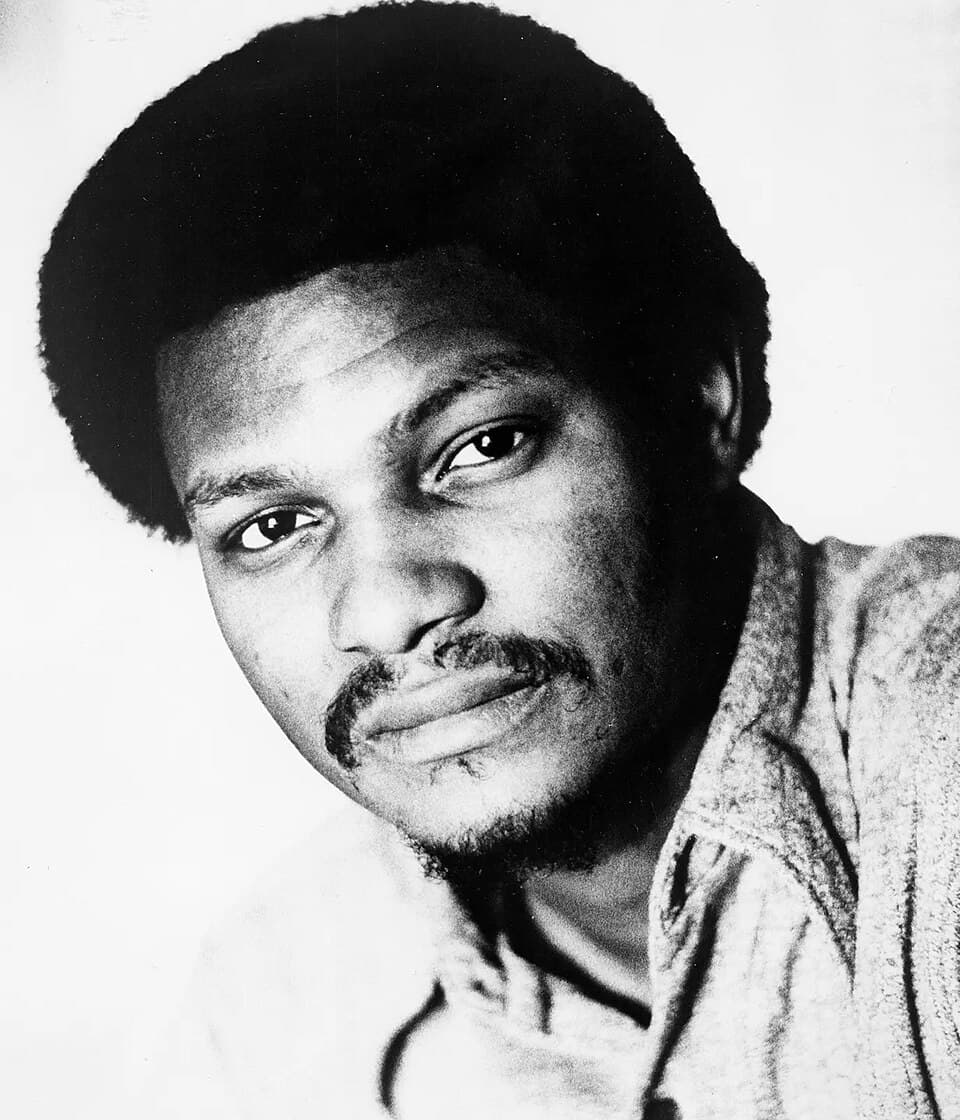
McCoy Tyner
McCoy Tyner (1938-2020) grew up in Philadelphia, where his mother kept a piano at her beauty salon and set her son to lessons at the Granoff School of Music. He came of age in a city thick with pianists, and Bud Powell lived for a time on his block. He met John Coltrane in the mid-1950s, and the two reached a quiet understanding: if the saxophonist ever led his own group, Tyner would be at the keyboard.
That group arrived in 1960, and for five years the classic Coltrane Quartet, with Jimmy Garrison on bass and Elvin Jones on drums, remade what jazz could do. Tyner was its foundation and its engine. His left hand rang open fourths and fifths low on the keyboard while his right poured out pentatonic runs, giving Coltrane a wide, drone-like ground to climb over. You can hear it hold firm through the storm of A Love Supreme, recorded in 1964.
He left in 1965 and built a long career of his own. The Real McCoy, cut for Blue Note in 1967, gathered his gifts into a single statement, and the run of Milestone albums that followed, among them Sahara in 1972, carried his sound into the next decade. His voicings became common language for the pianists who came after. Slowed down and studied hand by hand, that architecture is easier to hear: the anchored left, the open harmony, the long line above it.