Composers
Every transcription is credited to the artist on the original recording.
20 composers
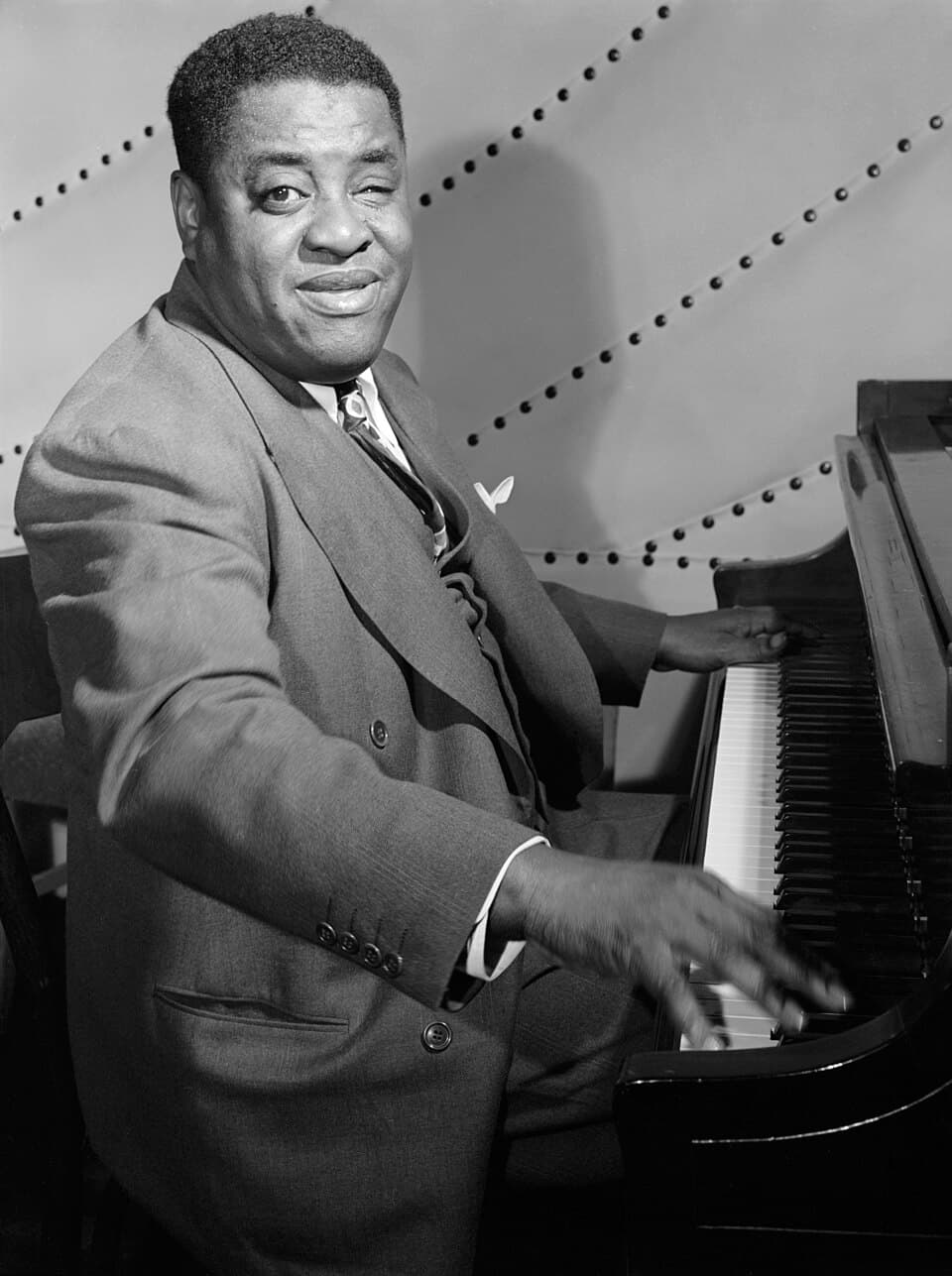 Art Tatum3 files
Nearly blind from infancy, Art Tatum set a standard of jazz piano virtuosity that has never been surpassed. His runs, reharmonisations and stride technique stunned even classical virtuosos, and pianists still study his recordings note by note.
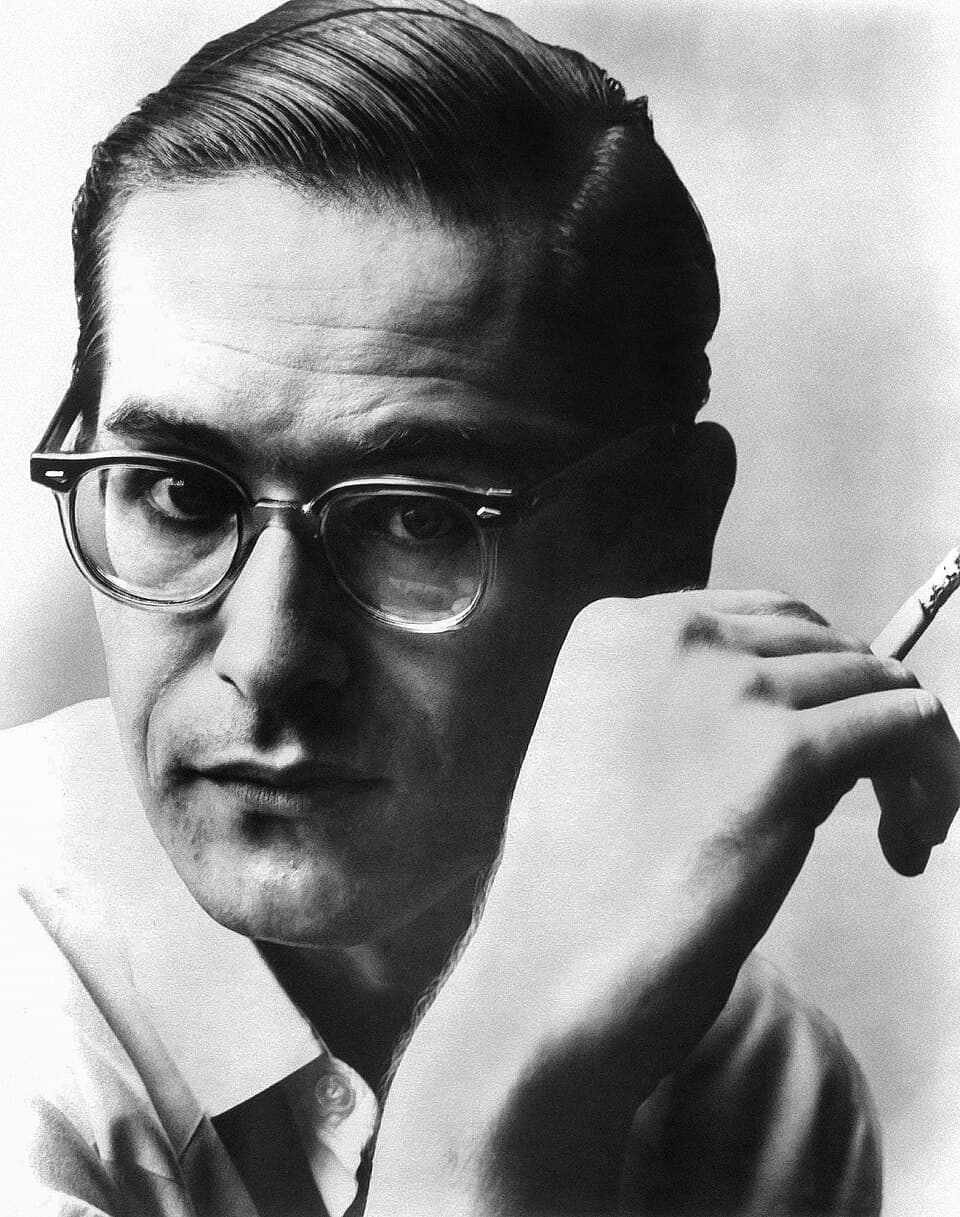 Bill Evans7 files
Bill Evans brought impressionist harmony and a singing, introspective touch to the piano trio. His rootless voicings reshaped how jazz pianists hear chords, and albums like Sunday at the Village Vanguard remain essential listening.
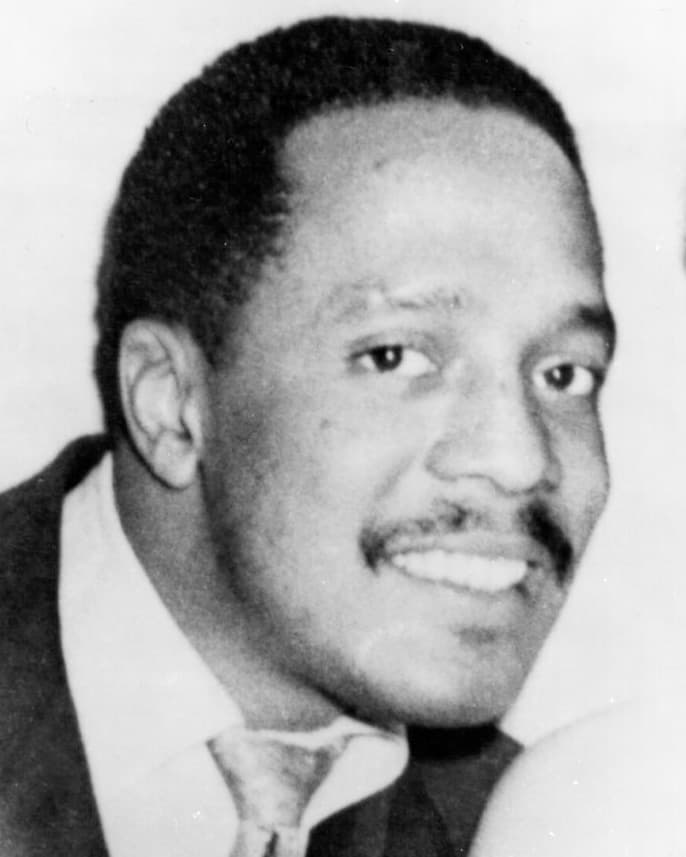 Bud Powell1 file
The most influential pianist of bebop, Bud Powell brought Charlie Parker's fleet horn lines to the keyboard with dazzling right-hand runs over stabbing left-hand chords.
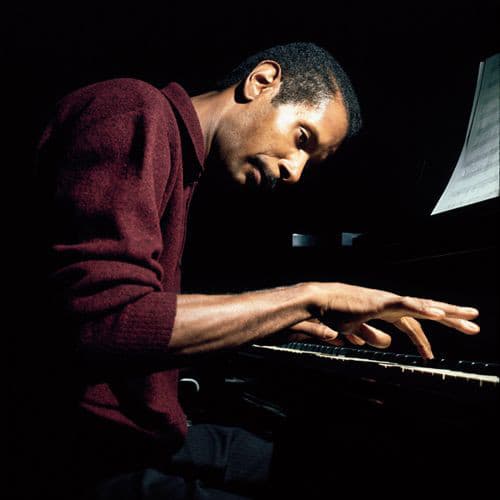 Duke Pearson1 file
Pianist, composer and Blue Note house arranger, Duke Pearson wrote elegant hard-bop standards and helped shape the label's 1960s sound.
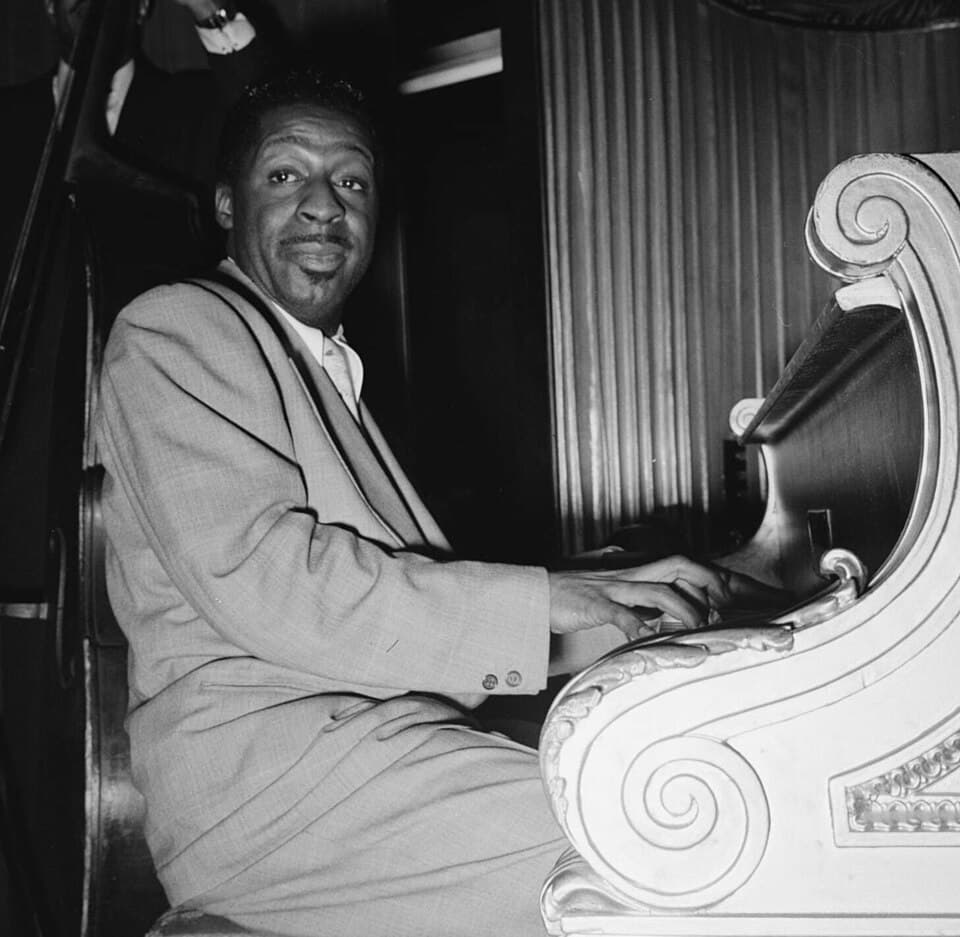 Erroll Garner10 files
Erroll Garner, the self-taught composer of Misty, swung like a full orchestra: left hand strumming steady fours like a rhythm guitar, right hand floating just behind the beat. He never learned to read music and never needed to.
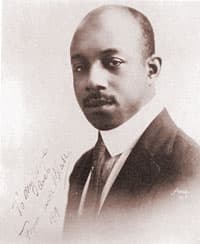 Eubie Blake2 files
Ragtime and early-jazz pianist-composer who lived to 100; his Charleston Rag and the hit show Shuffle Along helped carry ragtime into the jazz age.
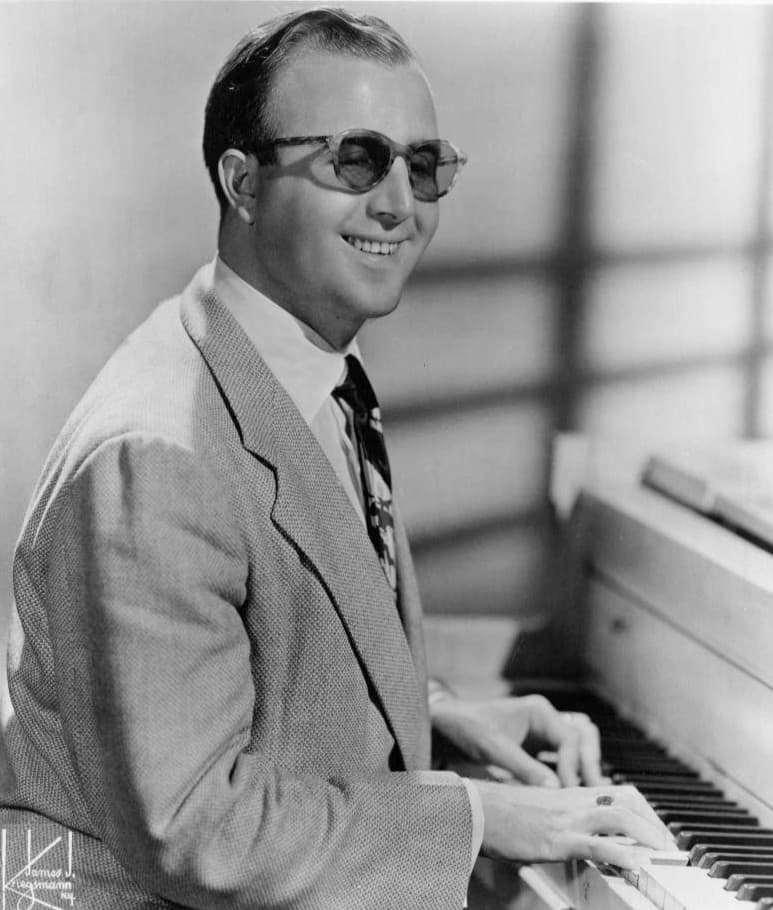 George Shearing1 file
The British-American pianist behind Lullaby of Birdland, famous for the cool, elegant swing of his locked-hands block-chord style.
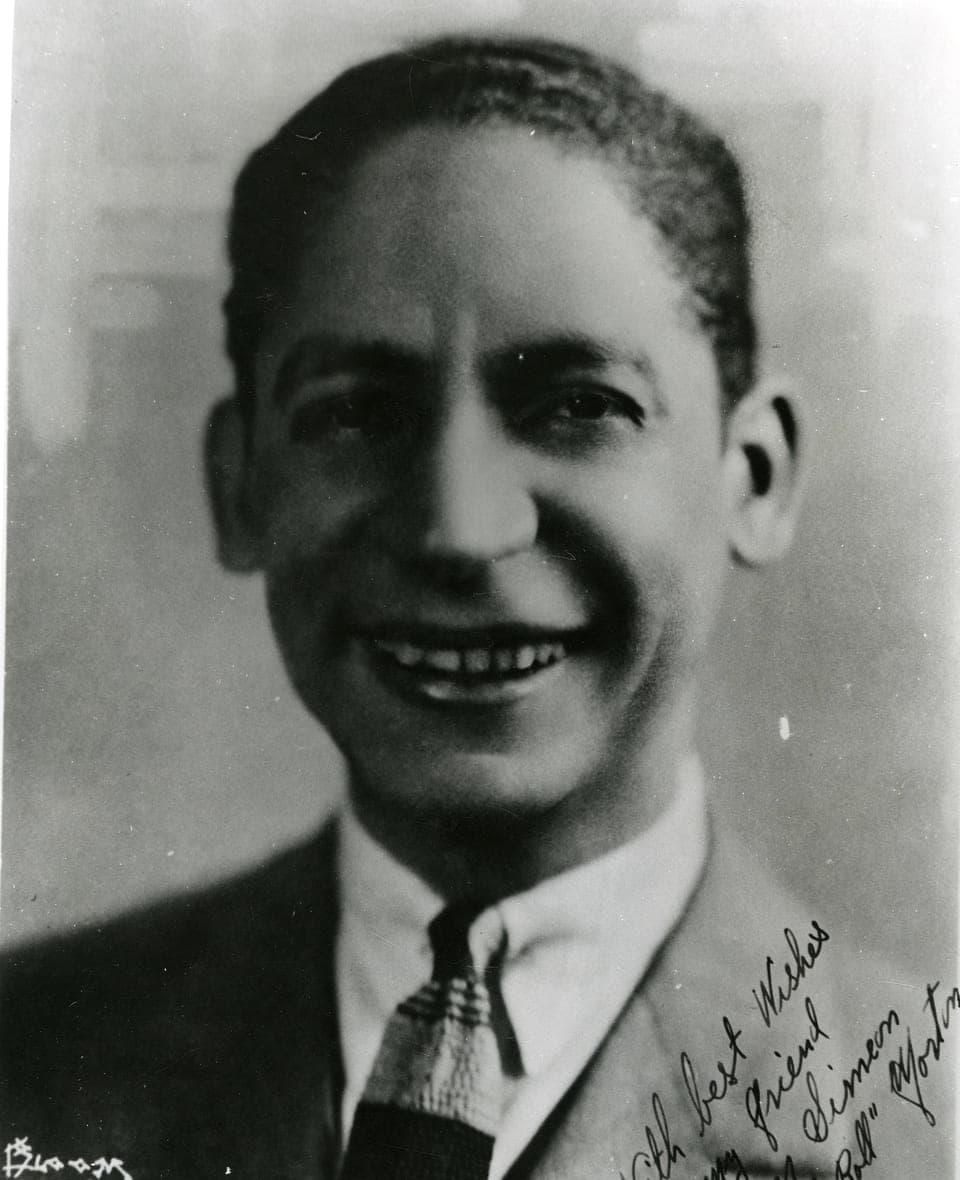 Jelly Roll Morton11 files
The self-proclaimed inventor of jazz, and its first great composer-arranger, who carried New Orleans piano and the Red Hot Peppers into the wider world.
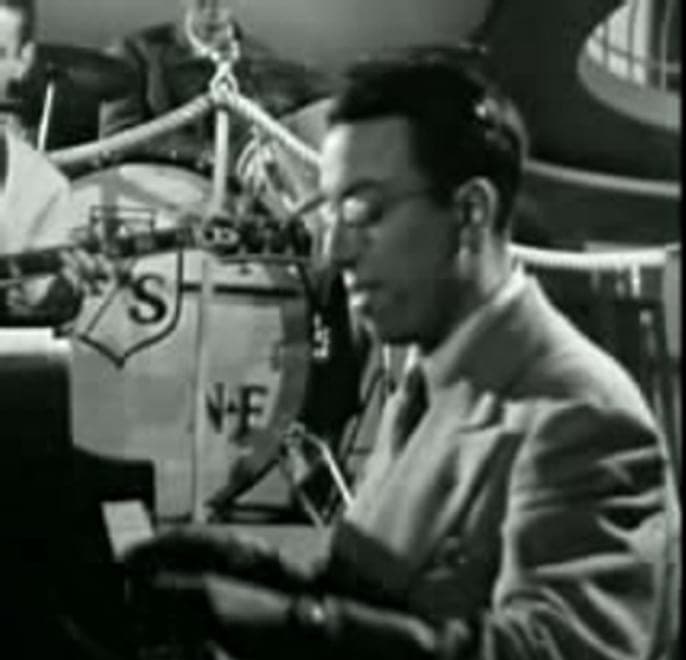 Johnny Guarnieri1 file
A swing-era virtuoso who played stride with everyone who mattered in 1940s New York, put the harpsichord into jazz with Artie Shaw's Gramercy Five, and late in life taught stride to swing in five-four time.
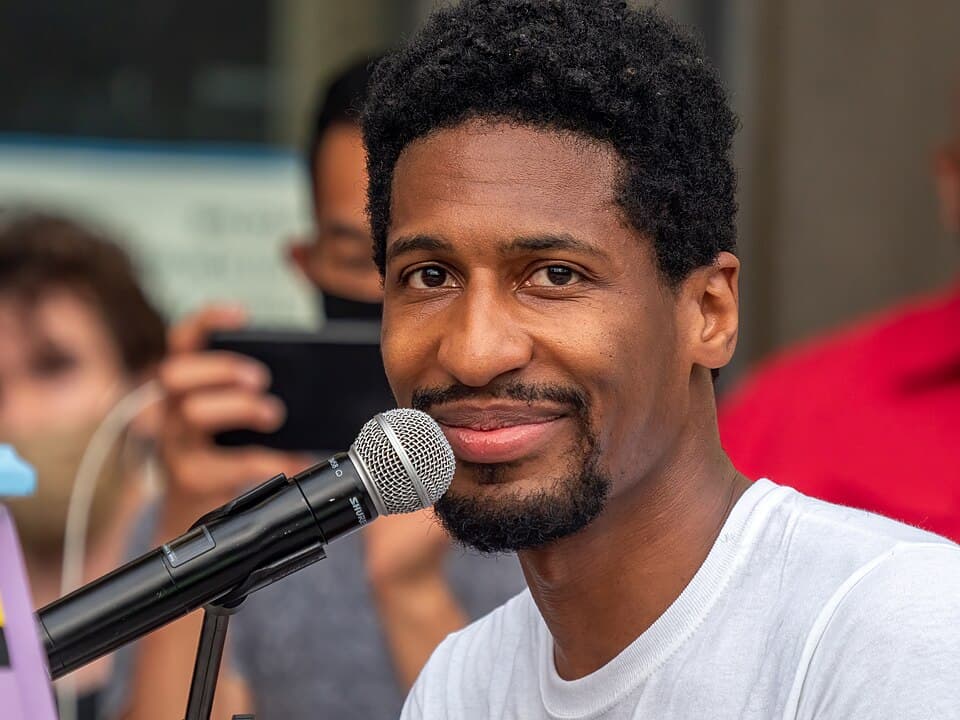 Jon Batiste1 file
Grammy- and Oscar-winning bandleader who bridges jazz, gospel and pop, bringing virtuoso piano to a new generation.
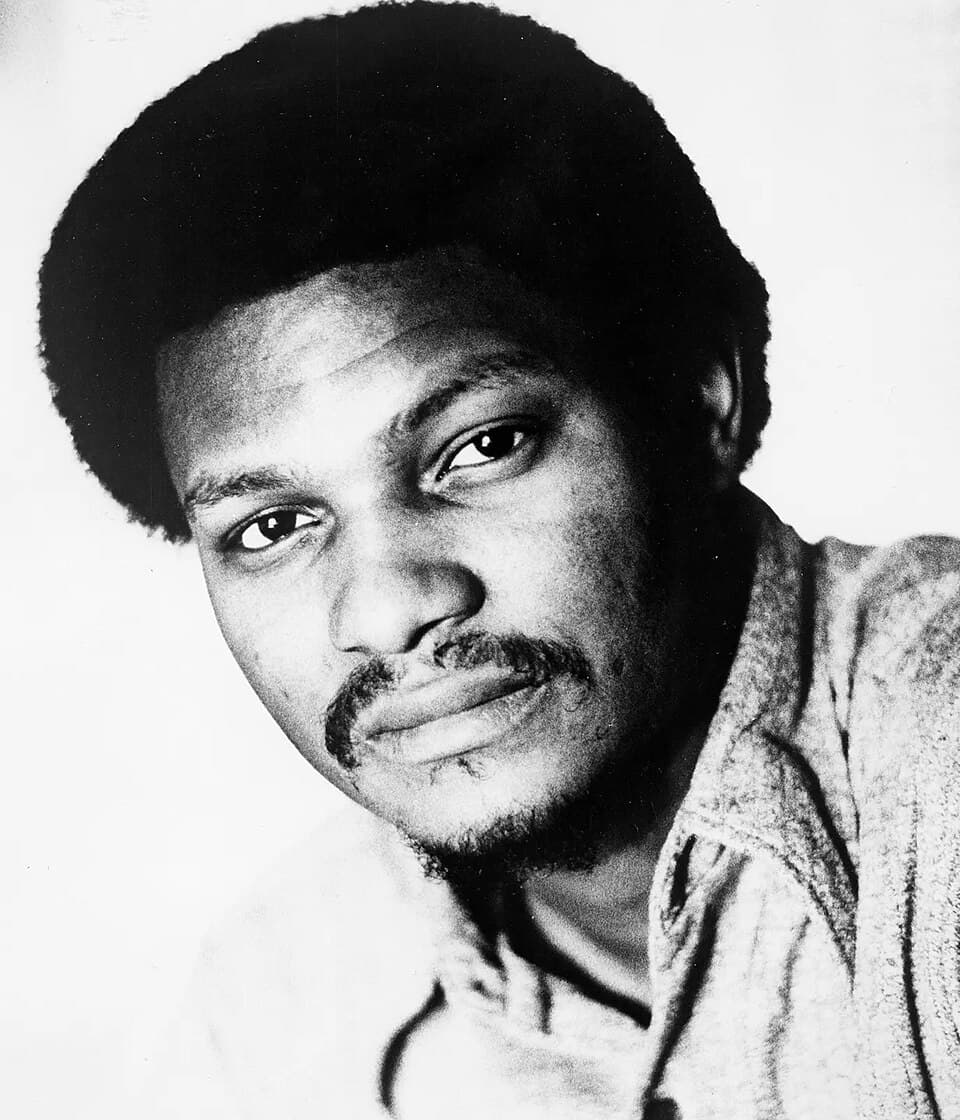 McCoy Tyner2 files
The powerhouse pianist of the classic John Coltrane Quartet, McCoy Tyner defined modal jazz piano with thunderous left-hand fourths and cascading runs.
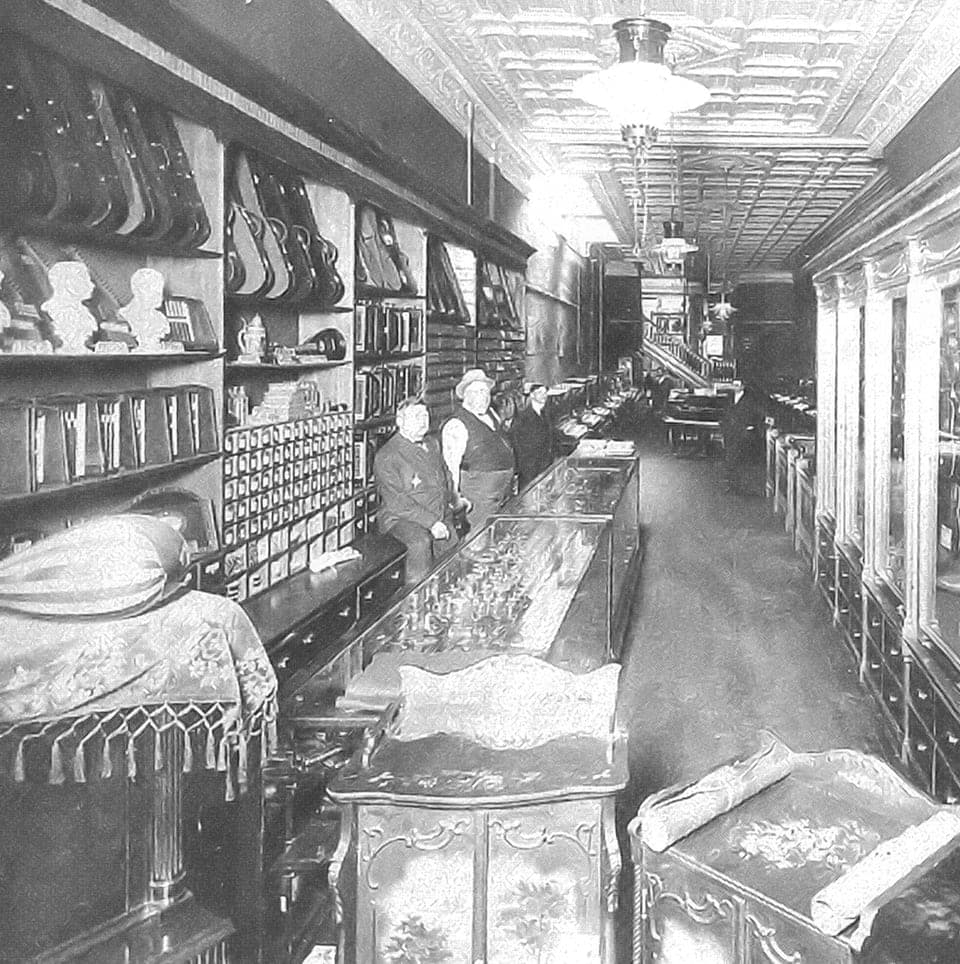 Misc.4 files
The catch-all shelf: transcriptions whose composer falls outside the named roster, from traditionals and standards to one-off requests.
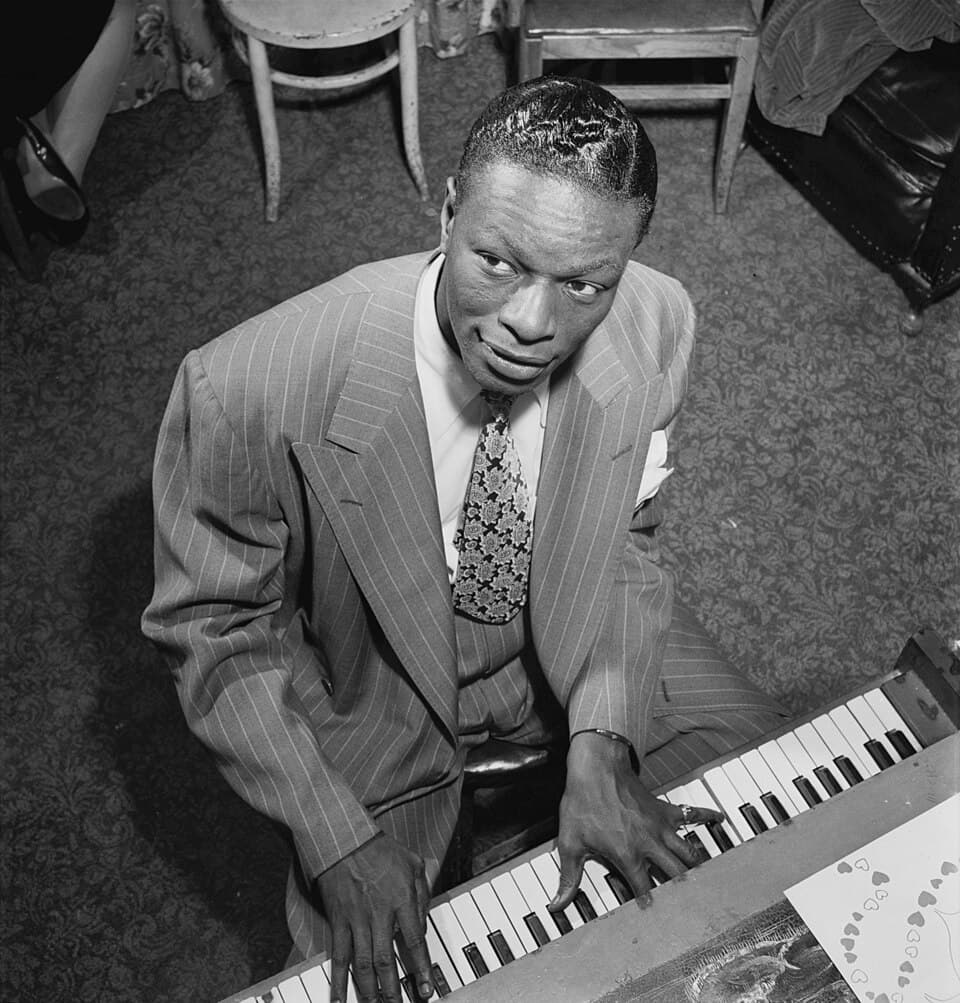 Nat King Cole1 file
Nat King Cole was one of the finest jazz pianists of his generation before the world decided he was a singer. Spare, swinging and harmonically sharp, he is the model Oscar Peterson built his early style on.
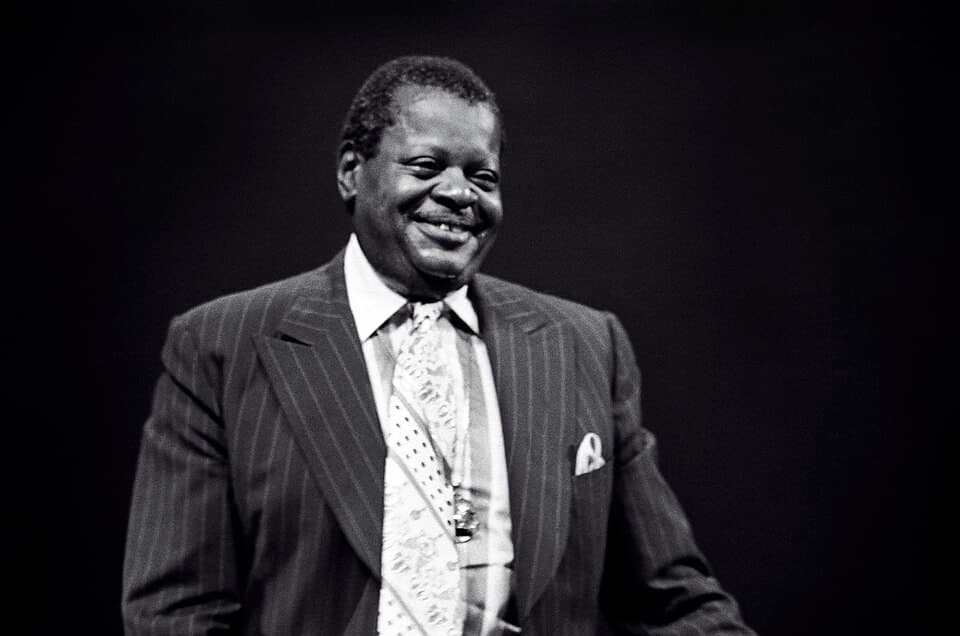 Oscar Peterson3 files
Oscar Peterson paired Tatum-level technique with irresistible swing across a career of more than 200 recordings. The Canadian pianist's blues feeling and thundering two-handed lines earned him eight Grammy awards, and Duke Ellington called him the Maharaja of the keyboard.
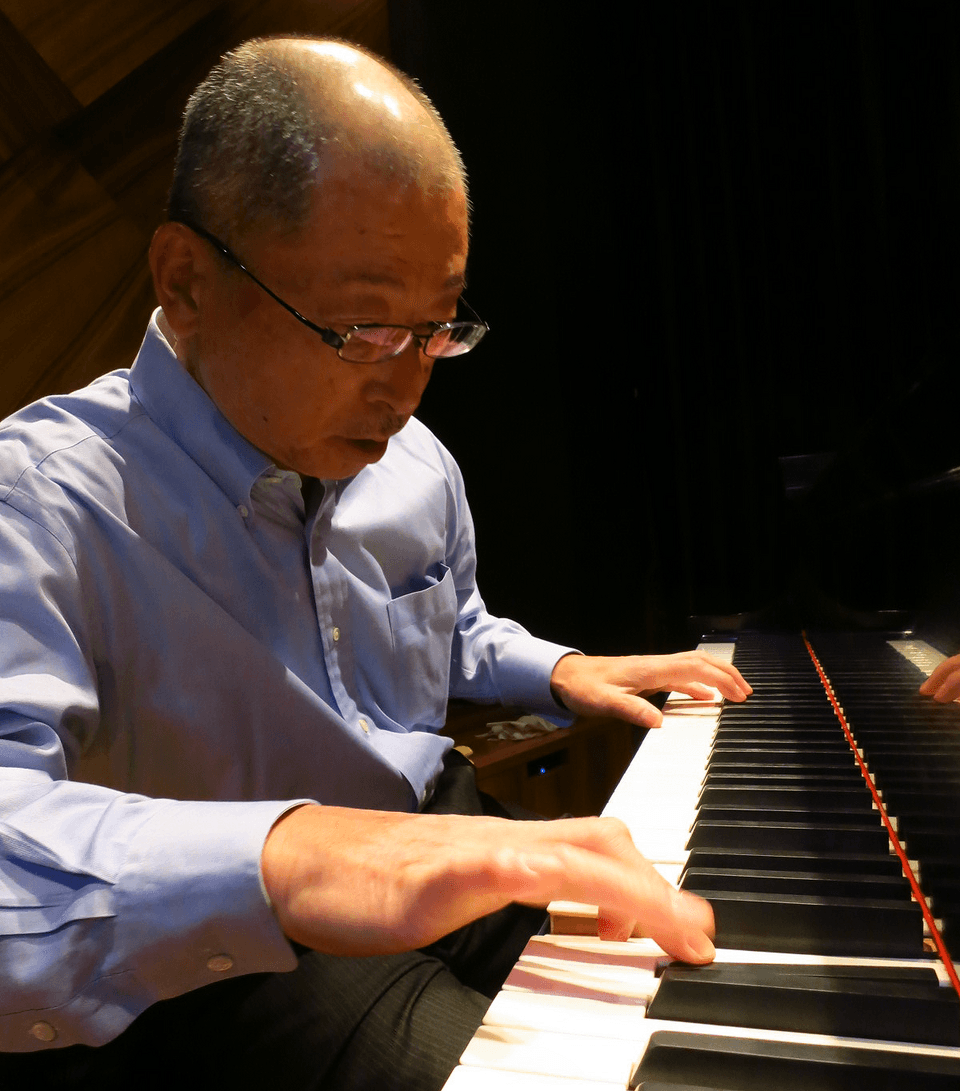 Ryo Fukui1 file
A largely self-taught pianist from Sapporo whose 1976 album Scenery became a beloved cornerstone of Japanese jazz.
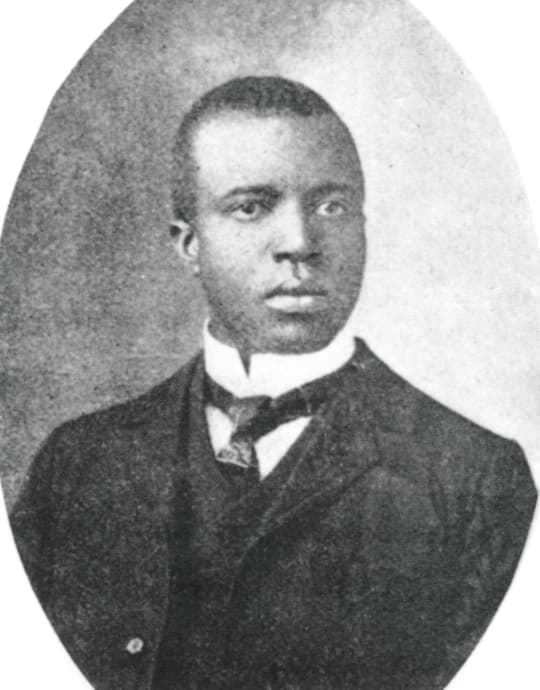 Scott Joplin1 file
The King of Ragtime, whose Maple Leaf Rag and The Entertainer defined the syncopated style that swept America and laid the groundwork for jazz piano.
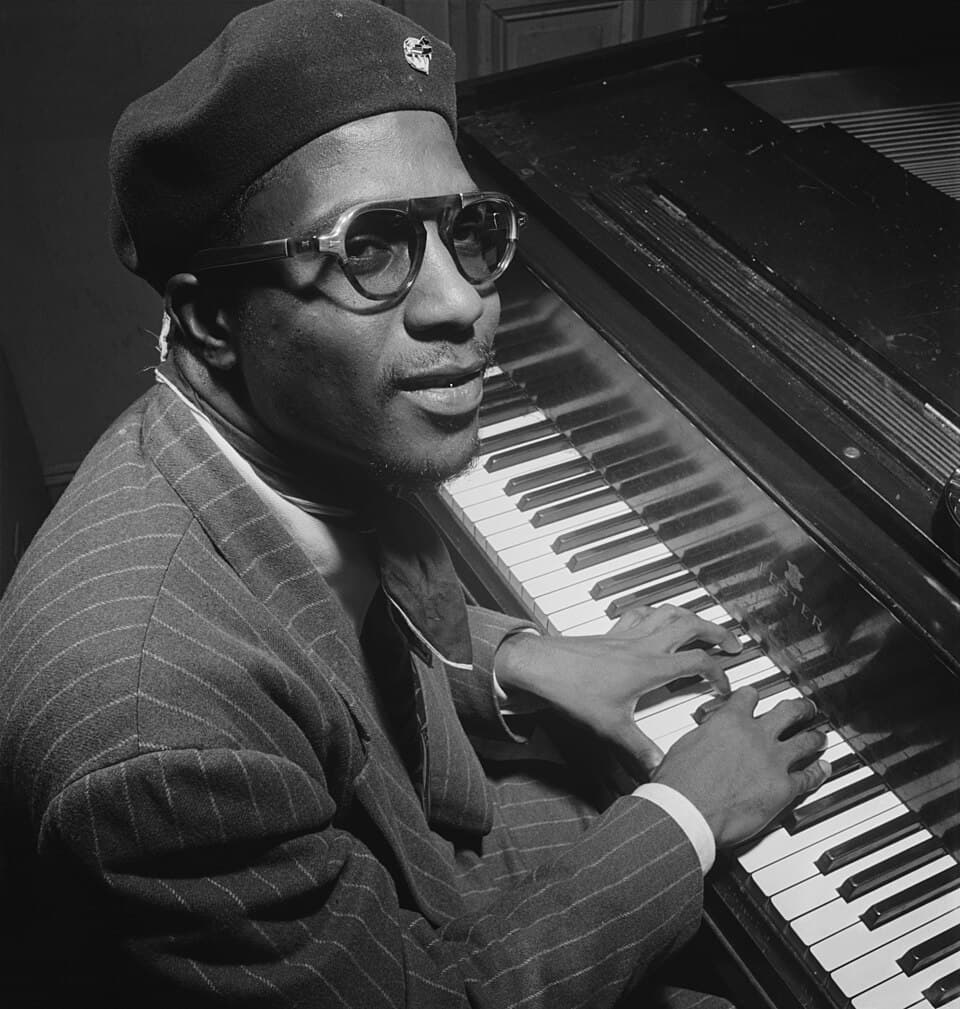 Thelonious Monk3 files
Thelonious Monk built a whole sound world from angular melodies, dissonant clusters and radical use of space. Among the most recorded jazz composers ever, his tunes like Blue Monk and Round Midnight are cornerstones of the repertoire.
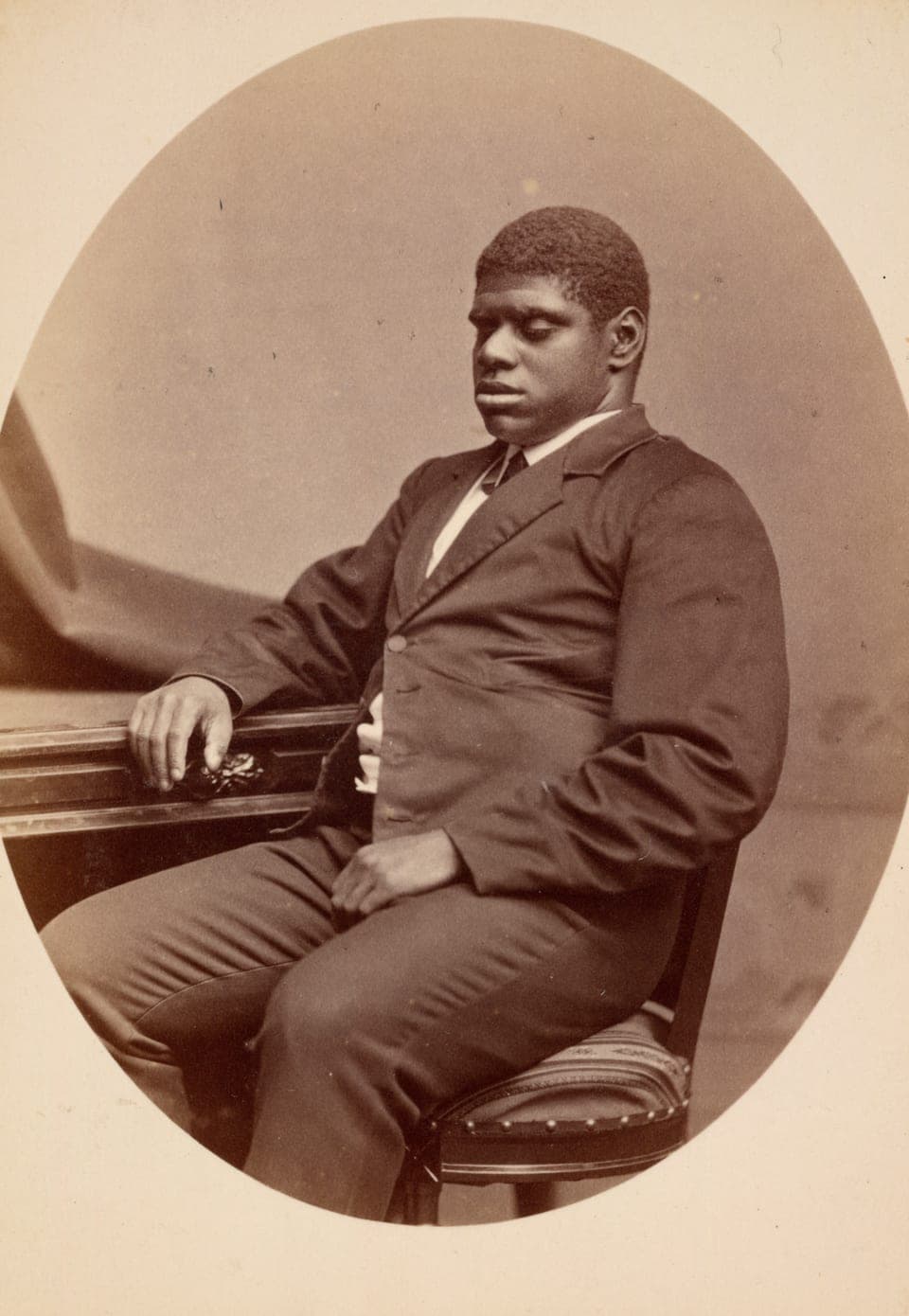 Thomas "Blind Tom" Wiggins2 files
Born enslaved and blind in 1849, a pianist of extraordinary ear who could return a piece after a single hearing, and a composer whose own music was often published under other people's names.
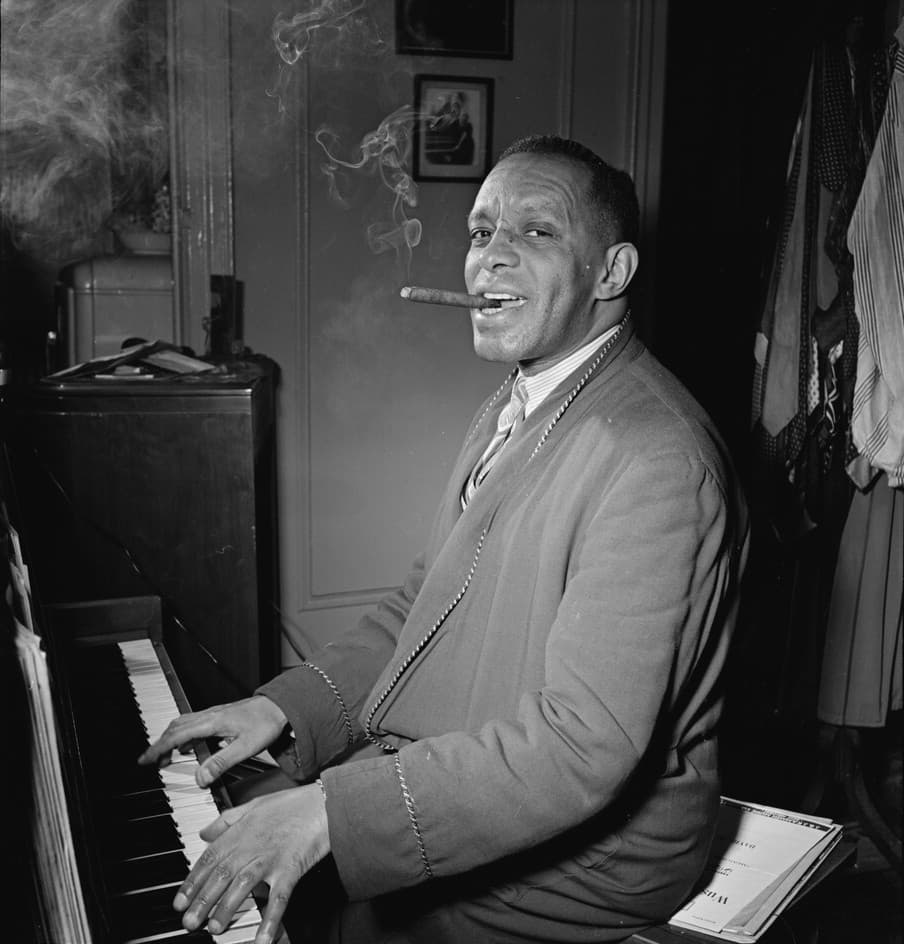 Willie "The Lion" Smith2 files
A giant of Harlem stride piano, Willie "The Lion" Smith paired swaggering technique with a surprisingly impressionistic ear for harmony.
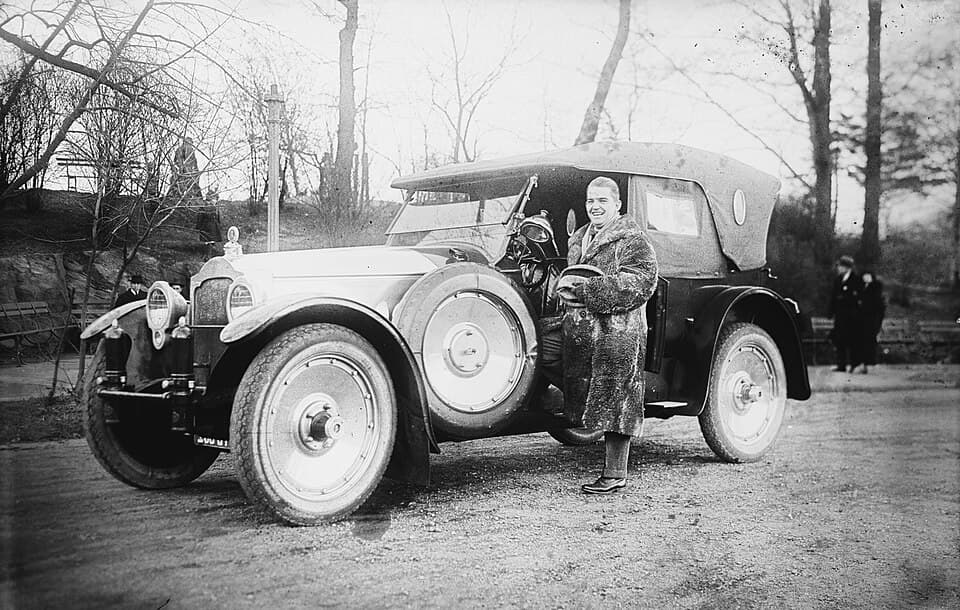 Zez Confrey1 file
The novelty-piano virtuoso behind Kitten on the Keys, who spun ragtime syncopation into the dazzling 1920s parlour-piano craze.
Photos via Wikimedia Commons: public domain (incl. William P. Gottlieb, Library of Congress, Bain News Service, National Portrait Gallery, the Bloom photograph studio of Chicago, a frame from the 1940 film Second Chorus, and an 1896 view of Kramer's Music House) except Oscar Peterson (Tom Marcello, CC BY-SA 2.0) and Jon Batiste (Rhododendrites, CC BY-SA 4.0).