Genre
Bebop Jazz Piano
2 files in this style.
Bebop Jazz Piano
Bebop took shape in the early 1940s at after-hours sessions in Harlem, above all at Minton's Playhouse, where the house band under drummer Kenny Clarke and pianist Thelonious Monk (1917-1982) worked out a music too fast and too harmonically involved for casual sitters-in. Its architects, the alto saxophonist Charlie Parker and the trumpeter Dizzy Gillespie, built solos on the underlying chords rather than the written tune, at tempos that left the swing era behind. It was conceived as musicians' music: intricate, demanding, and unconcerned with the dance floor.
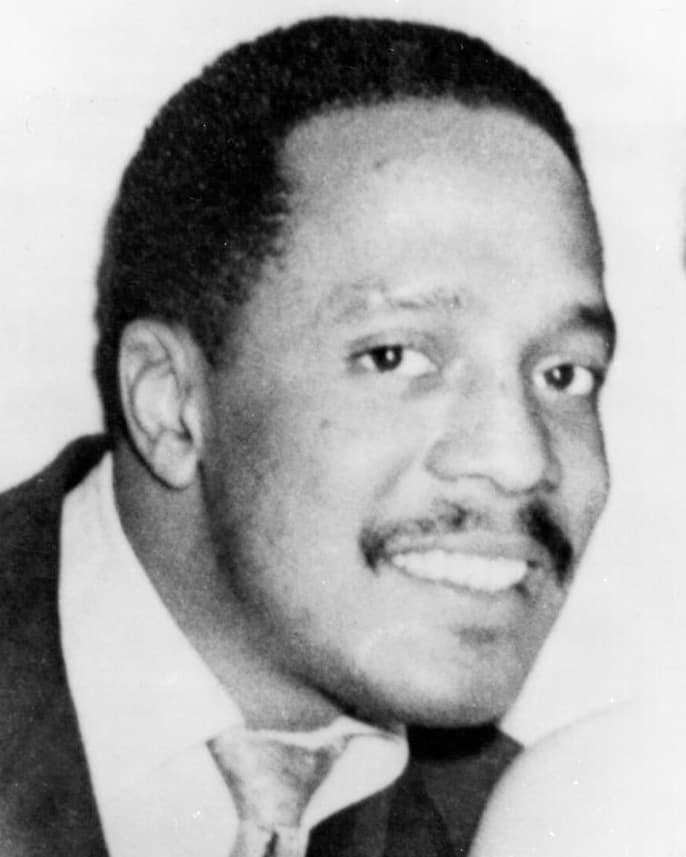
At the piano, Bud Powell (1924-1966) translated the horn players' language into something the keyboard had never quite done before. He played long, articulate single-note lines with his right hand, phrased like a saxophone, while the left dropped only sparse, pointed chords to mark the harmony. Gone was the full stride accompaniment; in its place was speed, forward motion and a restless sense of the changes. Powell's own compositions and recordings became the template, and much of modern jazz piano descends from them.
The character of the style is nervous energy under tight control: rapid eighth-note runs, chromatic turns, sudden accents and harmony that moves quickly and often substitutes one chord for another. It rewards slow, patient study. Take one of these transcriptions into practice mode, drop the tempo until the lines lie under your fingers, and the logic behind the flurry starts to come clear.