Genre
Bossa Nova Piano
1 file in this style.
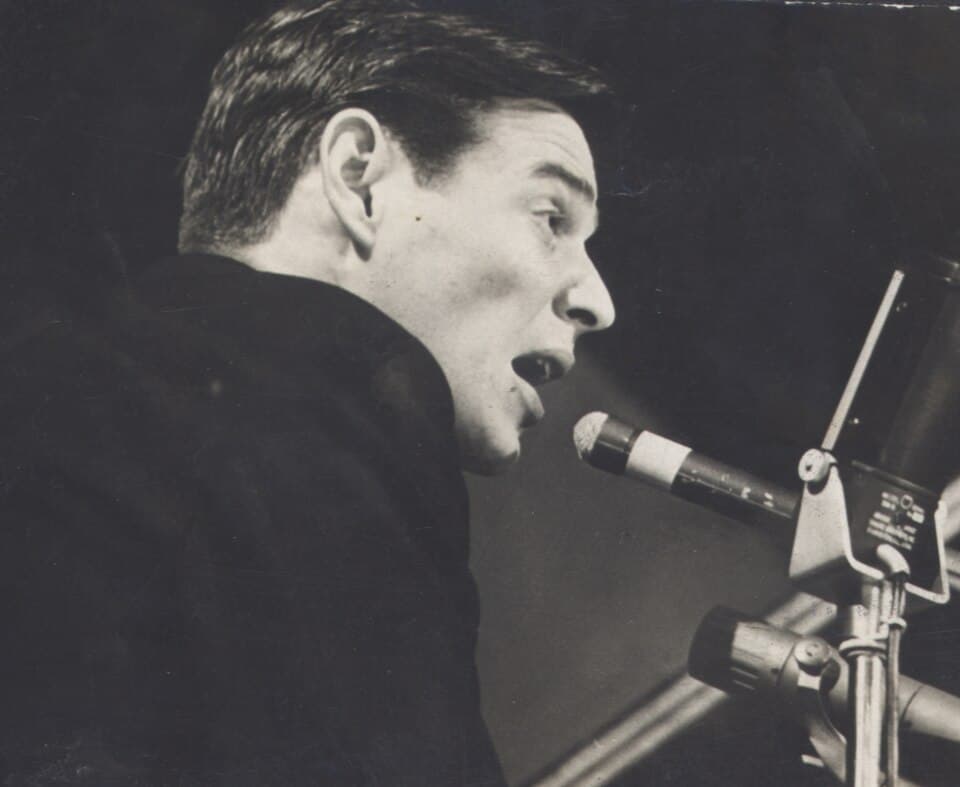
Bossa Nova Piano
Bossa nova took shape in the beachside apartments of Rio de Janeiro in the late 1950s, when a generation of musicians began to soften samba's percussion into something quieter and more intimate, folded together with the harmony they were hearing on American jazz records. The turning point is usually dated to 1958, when the guitarist and singer Joao Gilberto (1931-2019) recorded Chega de Saudade, a song written by the composer Antonio Carlos Jobim (1927-1994) with lyrics by the poet Vinicius de Moraes. His debut album of the same name followed in 1959 and is often called the first bossa nova record.
At the piano the music lives in that same tension between a steady pulse and a rhythm that keeps landing just off the beat. The left hand plays soft, syncopated chords in place of Gilberto's guitar, while the right hand carries a melody that rarely raises its voice. The harmony is where the depth lies: major seventh and ninth chords, smooth chromatic bass lines and unhurried modulations that shift the color of a tune without ever announcing themselves.
The sound travelled quickly. Jobim played piano on Getz/Gilberto, the 1964 album with saxophonist Stan Getz that carried The Girl from Ipanema around the world, and the pianist Sergio Mendes built a long career on its warmth. It is music that rewards patience, so it is worth slowing a recording down to hear how the chords are voiced and how far behind the beat the melody sits.