Genre
Blues Piano
1 file in this style.
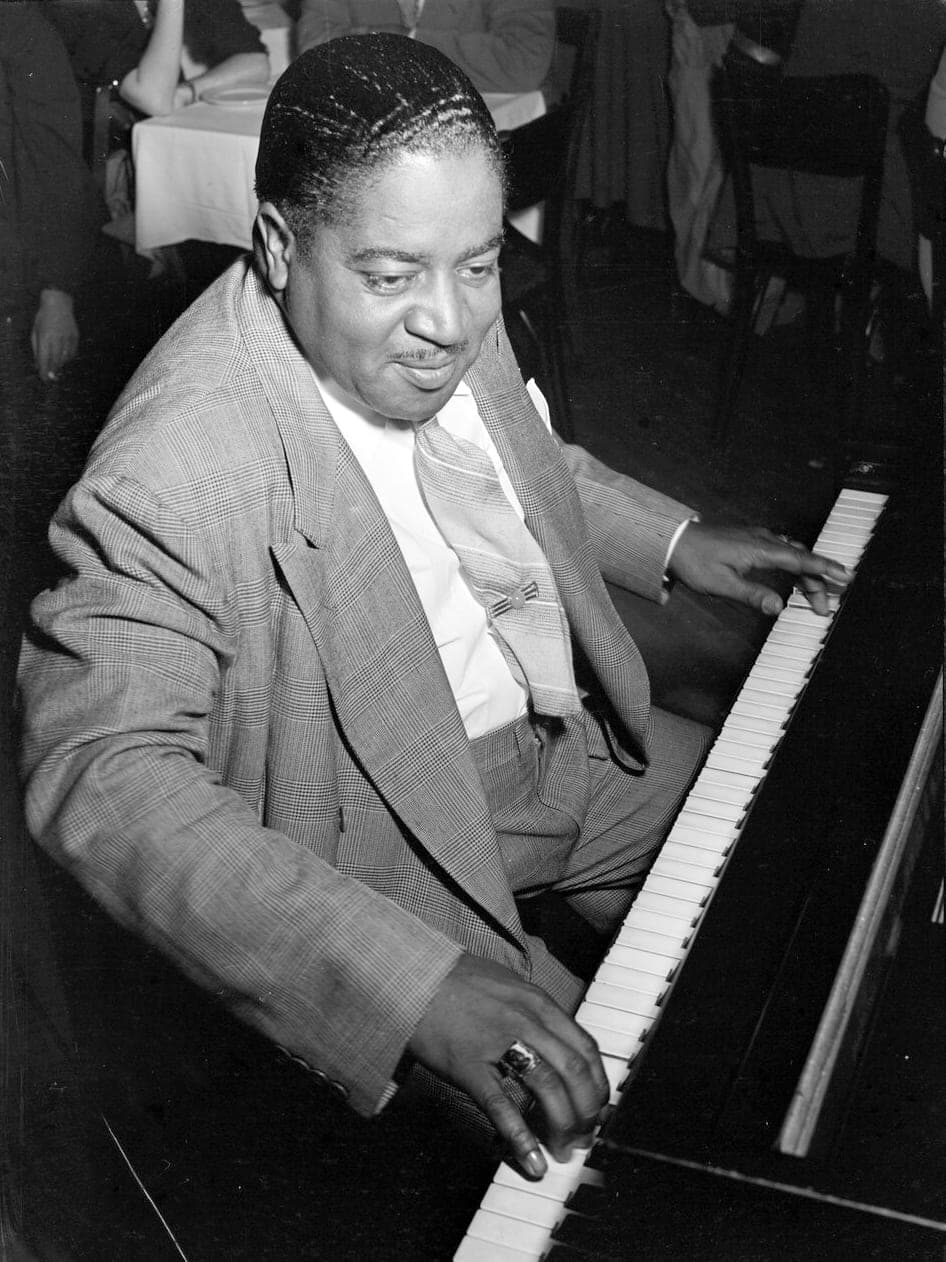
Blues Piano
Blues piano grew up wherever a piano stood in the American South: in barrelhouses, juke joints and lumber-camp bars, where pianists worked the twelve-bar form into something percussive and self-sufficient. One player had to be the whole band, so the style split the work between the hands, a steady rolling figure in the left against blue notes, crushed grace notes and call-and-response phrases in the right. The form is simple to describe and endless in practice, which is why it has never stopped being played.
The style's first great boom was boogie-woogie. Pianists such as Jimmy Yancey, Meade "Lux" Lewis, Albert Ammons and Pete Johnson drove eight-to-the-bar left-hand patterns under riffing right hands, and the 1938 "From Spirituals to Swing" concert at Carnegie Hall turned their rent-party style into a national craze. Alongside it ran the slower tradition, the after-hours blues of players like Otis Spann in Chicago, where the point is not speed but weight: how much feeling a player can hang on a handful of notes.
Blues vocabulary is load-bearing in almost everything that followed. Jazz pianists lean on it whenever they want to say something plainly, and rock and roll piano is blues piano played louder. Learning these pieces hands-separately is one of the fastest ways to understand how the language actually works: the left hand is a groove instrument, the right hand is a singer, and the twelve bars in between hold more room than they look.