Genre
Traditional Jazz Piano
11 files in this style.
Traditional Jazz Piano
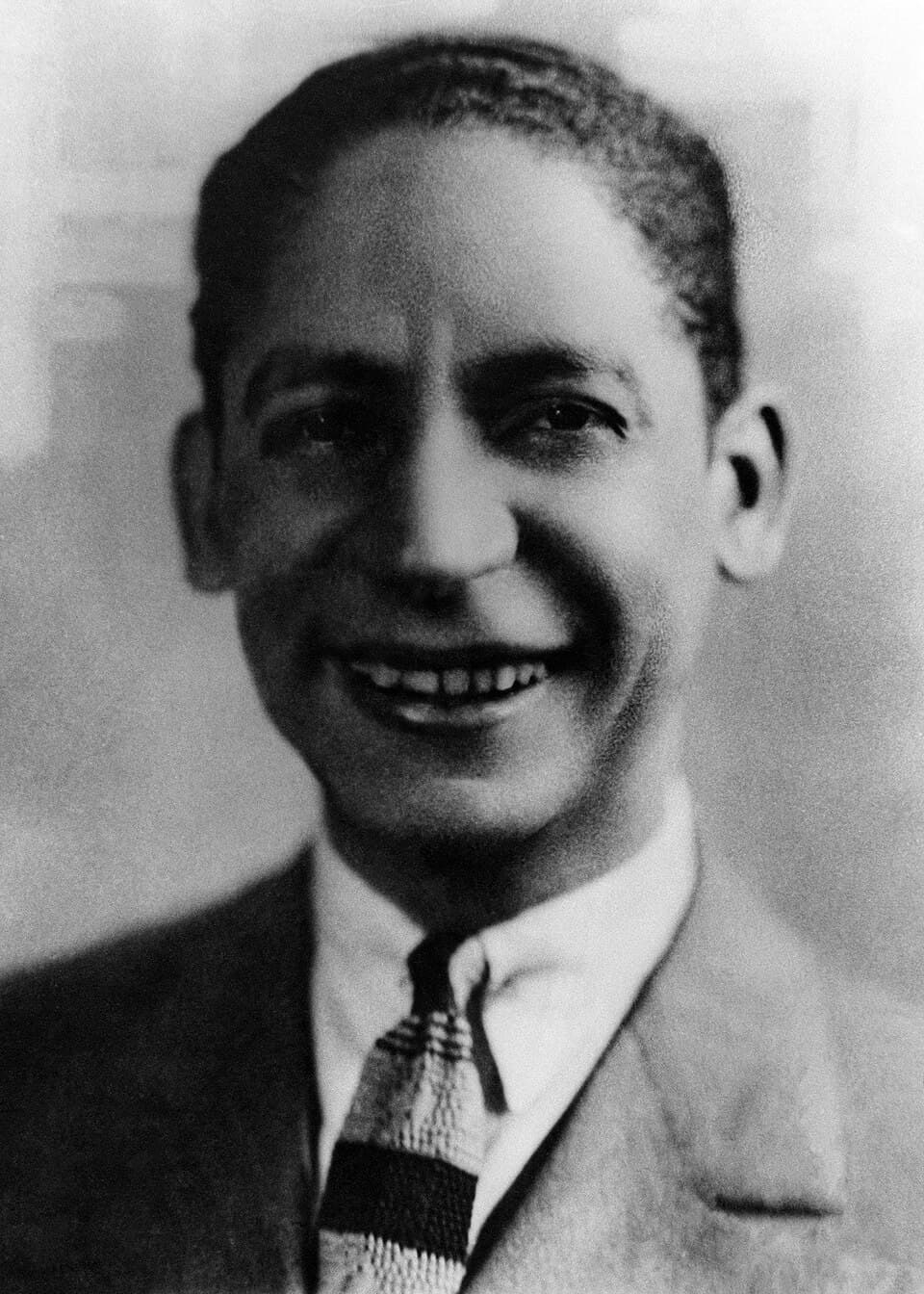
Traditional jazz piano begins in New Orleans, in the years when ragtime was loosening into something that swung. Its central figure is Jelly Roll Morton (1890-1941), born Ferdinand LaMothe, who played in the sporting houses of the Storyville district and later boasted, with more cheek than accuracy, that he had invented jazz single-handed in 1902. The boast obscured a real achievement: his "Jelly Roll Blues," published in 1915, was among the first jazz pieces ever committed to paper, and his writing showed how the strict, multi-strain forms of ragtime could carry blues feeling and a loose, rolling swing.
Morton called one essential ingredient the Spanish tinge, the habanera lilt he heard in the Creole music around him, and it runs through his best work alongside a striding left hand and a right hand full of breaks and turnarounds. His finest recordings came in Chicago in the late 1920s with the Red Hot Peppers, small-band sides such as "Black Bottom Stomp" and "Grandpa's Spells" that arranged New Orleans polyphony with a composer's care. He died in near obscurity in 1941, a few years after Alan Lomax recorded his long, candid reminiscences for the Library of Congress.
The style rewards patient study. Slowed to a walking pace, these stomps and blues reveal exactly how the two hands lean against one another, and opening a transcription in practice mode lets you take one hand at a time until the swing settles under your fingers.