Composer
Thomas "Blind Tom" Wiggins
2 transcriptions, every one with separated left and right hands.
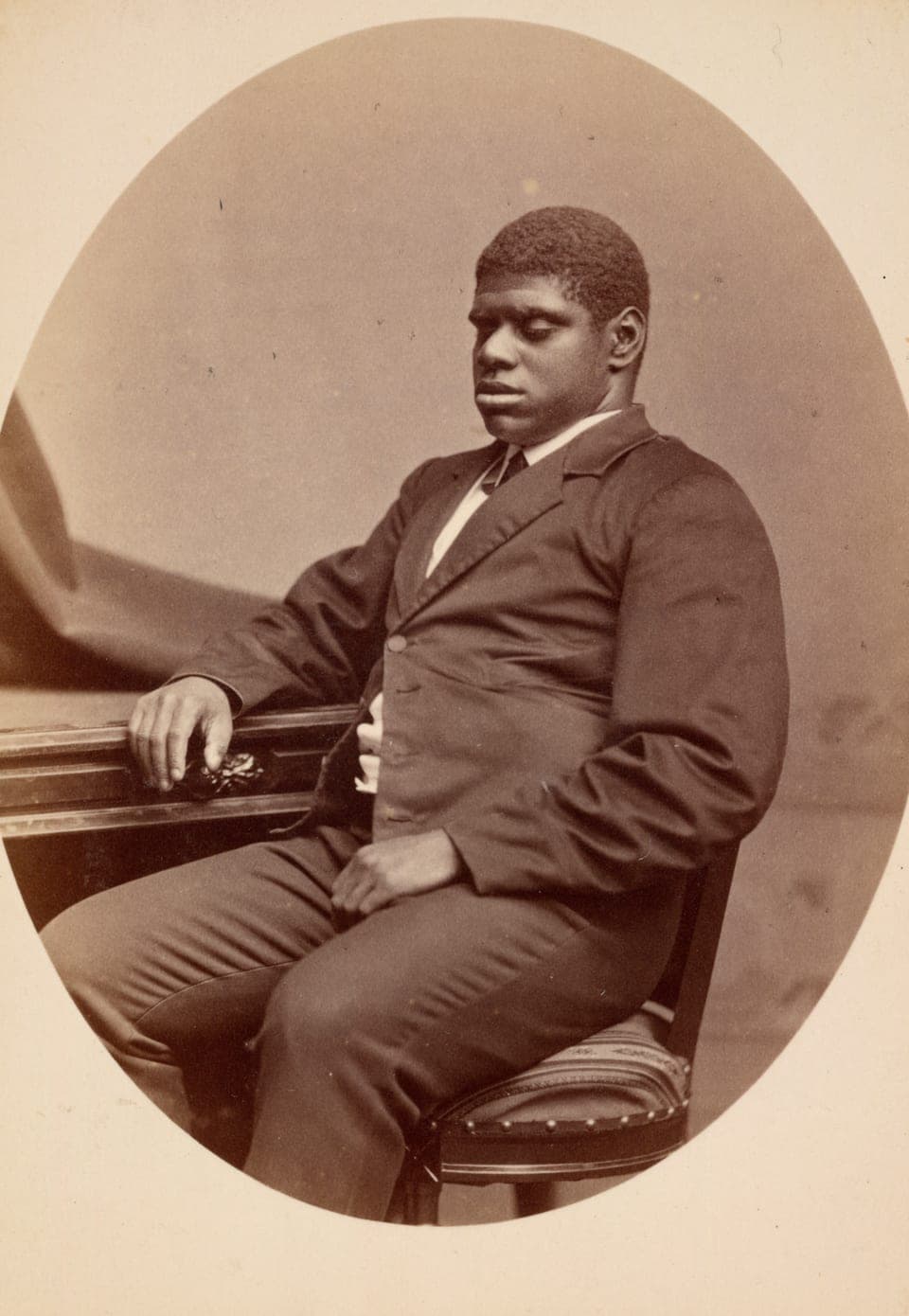
Thomas "Blind Tom" Wiggins
Thomas Wiggins (1849-1908) was born blind on a plantation in Harris County, Georgia, and sold as an infant, along with his parents Charity and Domingo, to the household of James Neil Bethune. He found the family piano before he was five. What he did with it was immediately obvious to everyone who heard it: he played back what he had just listened to, whole, and he kept doing that for the rest of his life. By adulthood his repertoire was reported at some seven thousand pieces, and audiences tested him on stage by having strangers play new music at him, which he then returned.
That gift made other people a great deal of money. From the age of eight he was toured relentlessly, at times several performances a day, and the sums involved were extraordinary for the period; almost none of it was his. In 1860 he played at the White House for President Buchanan, the first African American musician to give a command performance there. Emancipation changed his legal status without changing his circumstances much: the Bethune family kept control of him through guardianship, and a custody suit over him ran through the 1880s.
He composed throughout, and his pieces were frequently published under invented names or credited to other people, so even his authorship was something he did not fully own. The music itself is descriptive and full of weather and machinery: storms, a railroad, the sound of a battle. Modern writers often describe him as autistic, which is a retrospective reading rather than a contemporary diagnosis; what the record does show is a musician whose memory and ear were remarkable by any standard, and whose life was arranged almost entirely for the benefit of the people around him.