Composer
George Shearing
1 transcription, every one with separated left and right hands.
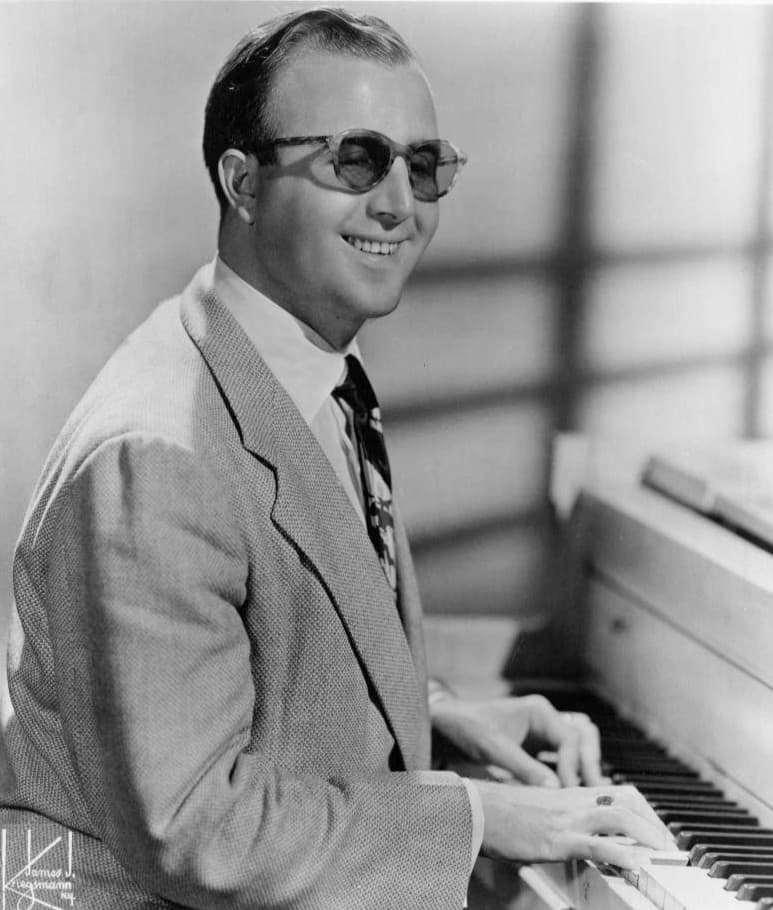
George Shearing
George Shearing (1919-2011) was born in Battersea, London, the youngest of nine children in a working-class family, and blind from birth. He took to the piano as a small child and trained at the Linden Lodge School for the Blind. By the 1940s he was among the most admired jazz pianists in Britain, and in 1947 he sailed for New York, then the capital of modern jazz.
In 1949 he formed the George Shearing Quintet, setting piano beside vibraphone and guitar over bass and drums. Its trademark was the voicing that came to be called the Shearing sound: the melody harmonised in close, locked-hands block chords, a device pioneered by the organist Milt Buckner, then doubled an octave above by the vibraphone and below by the guitar. The effect was cool, rounded and instantly recognisable, and it carried a run of hits beginning with September in the Rain.
He wrote Lullaby of Birdland in 1952, by his own account in about ten minutes, as a theme for the New York club of that name; it became one of the most recorded jazz standards ever written, alongside his earlier Conception. In later years he found a second audience in an acclaimed duo with the singer Mel Torme, and in 2007 he was knighted for his service to music. Slow one of his recordings down and the block voicings open up under the hand, each inner part clear enough to learn and to feel.