Genre
Jazz Ballad Piano
13 files in this style.
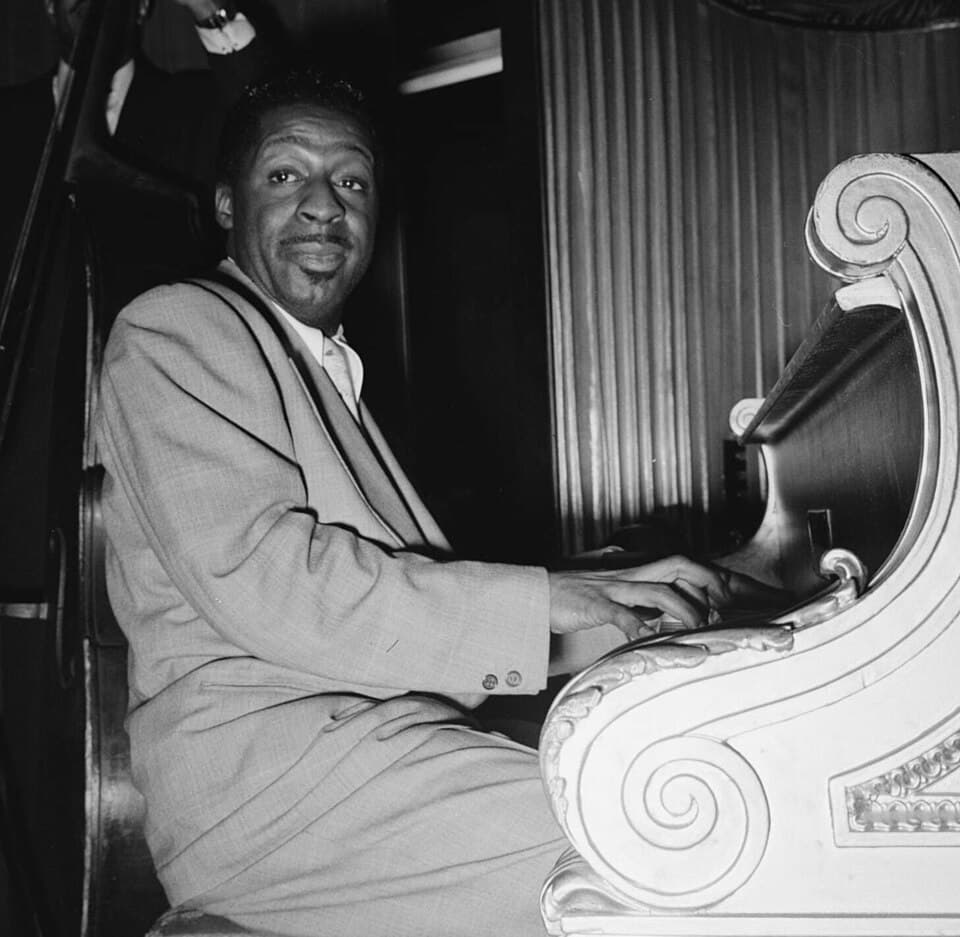
Jazz Ballad Piano
The jazz ballad is less a fixed repertoire than a tempo and a temperament: a standard from the American songbook, or an original in that spirit, taken slowly enough that the harmony itself becomes the subject. Where a fast tune races through its chords, a ballad lingers on each one, so the pianist's craft turns on touch, voicing and timing rather than speed. The mood is nocturnal, drawn from the small hours after the club has emptied. Duke Ellington sketched its outlines early: his 1953 solo piece Reflections in D is lush and unhurried, a ballad in all but name.
The figure most bound up with the form is Bill Evans (1929-1980), whose impressionist harmony and quiet, singing touch reshaped how pianists thought about slow tempos. Evans built chords in close, ambiguous voicings owing something to Debussy and Ravel, and let them ring rather than announce themselves. His trio with bassist Scott LaFaro and drummer Paul Motian, recorded live at the Village Vanguard in 1961, turned the ballad into a conversation among three equal voices. Waltz for Debby, the tender tune he named for his young niece, became a standard in its own right.
What defines the style is space. Rubato loosens the beat so a phrase can breathe, and a single held note may carry as much weight as a run. Later pianists, Keith Jarrett among them, extended that patience into long, searching solo performances.