Genre
Ragtime Piano
4 files in this style.
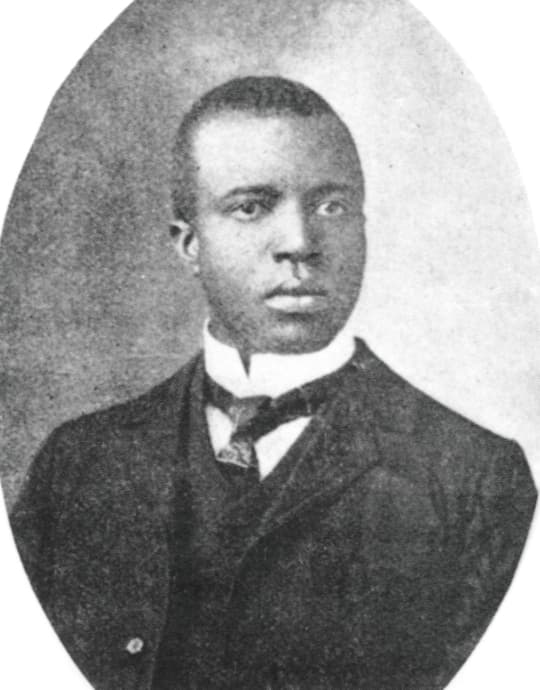
Ragtime Piano
Ragtime grew out of African American communities in the Midwest in the 1890s, taking the even tread of the military march and the cakewalk and setting a syncopated, off-the-beat melody against it. The right hand accents the spaces between the beats while the left keeps a steady oom-pah pulse, and the friction between the two is the whole point. Most rags follow a march-like plan of several distinct sixteen-bar strains, each with its own tune, so a piece moves through a sequence of ideas rather than repeating one.
Scott Joplin (1868-1917) became the music's central figure. His Maple Leaf Rag, published in Sedalia, Missouri in 1899, was the first rag to sell in large numbers and set the template for what came to be called classic ragtime; The Entertainer followed in 1902. Joplin treated the form seriously, marking his scores not to be played fast and even writing an opera, Treemonisha, in 1911. He is usually grouped with James Scott and Joseph Lamb as the genre's leading composers, though the style ran through countless saloons, parlours and player-piano rolls well beyond them.
Ragtime faded as jazz rose after the First World War, then found new listeners when The Entertainer scored the 1973 film The Sting. It rewards patient hands: the syncopations are precise, and the left hand must stay strict while the right plays against it. Slow a recording down, or open a transcription with the hands on separate channels, and the mechanics of that push and pull become clear.